Last week on the Humourology Podcast, I had the great pleasure of sitting down with Sir Rupert Gavin. It was one of those conversations that stays with you. Not because it was flashy or loud, but because it quietly opened up a bigger way of thinking.
We talked about theatre, humour, leadership and audiences. But running underneath it all was something even more fundamental.
Language
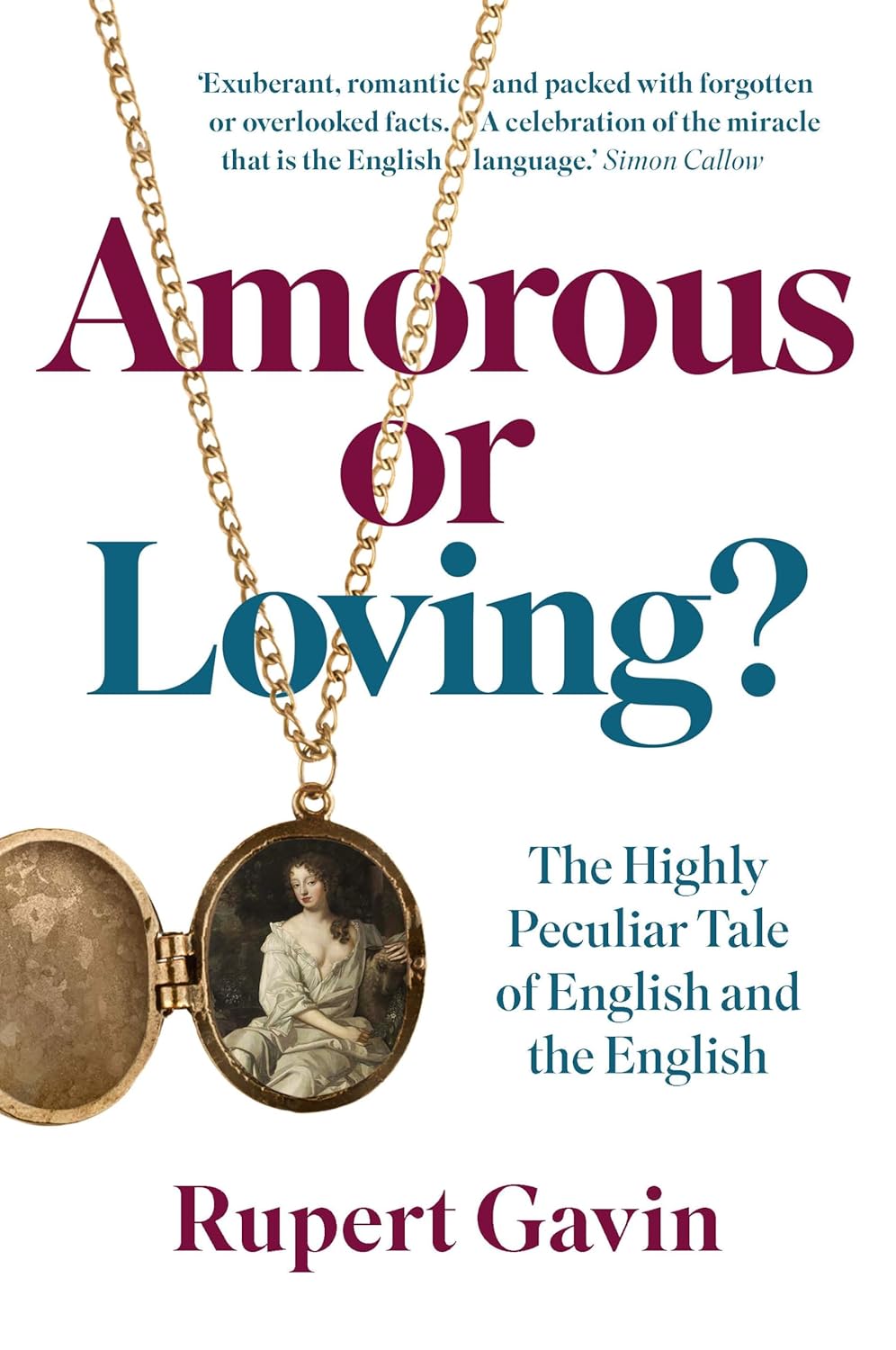
Rupert has spent his life telling stories, shaping narratives and understanding how people listen. He has also written Amorous or Loving?: The Highly Peculiar Tale of English and the English a delightfully curious exploration of how our language became such a gloriously expressive mess. During our conversation, it became clear that humour and linguistics are deeply entangled, and that a good laugh is often just English doing what it does best.
Which got me thinking
Humour does not live in a vacuum. It lives in words. In phrasing. In timing. In the tiny choices we make between one expression and another. And those choices shape not just how funny we sound, but how we think, relate and lead.
This is not just a Humourology hunch. Linguistic research has been circling this territory for decades. As one academic overview in the journal Science Direct/Lingua puts it, “linguistics is one of the fields in which humour is nowadays studied most avidly”, with researchers examining how humour emerges from meaning, context, expectation and surprise.

Linguistically speaking, English is a strange and glorious mess. It is part Saxon, part Latin, part Viking, part Norman, and part accident. We have multiple words for the same idea, each carrying a slightly different emotional temperature.
Think about the difference between amorous and loving. Or inquire and ask. Or commence and start. One set sounds formal and distant. The other feels human and close. Neither is wrong. But they do very different psychological work.
Humour often arrives in that gap.
A joke is rarely about the punchline alone. It is about expectation, surprise and contrast. Linguists tend to describe this as incongruity. Psychologists talk about cognitive flexibility. Either way, humour appears when language takes a small sideways step and allows us to see something differently.
That matters far beyond comedy.
In leadership and communication, the words we choose signal intent. They tell people whether we are open or closed, human or bureaucratic, flexible or rigid. Humour tends to show up when language loosens. When it breathes. When it allows play.
This is one reason humour is such a reliable indicator of psychological safety. When people feel safe, they experiment with language. They tease. They joke. They explore ideas without locking themselves into a single, brittle position.
When they do not feel safe, language tightens. It becomes defensive. Over-formal. Risk-averse.
You can hear this everywhere. In meetings where no one laughs. In emails that sound like they have been written by a committee. In leaders who hide behind jargon because plain English feels too exposed.
Humour cuts through that. Not by being frivolous, but by being precise. A well-placed joke often says, “I see what’s really going on here”. That is why it builds trust. It reveals shared understanding.
This connects directly back to Rupert’s insight about audiences. Whether you are on a stage, in a boardroom or around a dinner table, people are always listening for meaning beneath the words. Humour reassures them that you are speaking with them, not at them.
Which brings us to:
Three Humourology takeaways for language, humour and leadership.
- Words carry emotional temperature
Language is never neutral. Every word choice warms or cools the room. Humour often works because it warms things up just enough to allow honest thinking. - Humour is linguistic agility
If you can play with words, you can play with ideas. That flexibility is one of the strongest predictors of effective communication and adaptive leadership. - Clarity beats cleverness
The best humour is rarely complicated. It is clear, well-timed and human. The same is true of leadership language. If people have to decode you, you are already losing them.
A Final Humourology Thought
One of the quiet lessons from my conversation with Sir Rupert is this: humour is not something we add on top of communication. It is something that emerges when language is doing its job properly.
When words are chosen with care.
When intent is clear.
When humanity is allowed in.
That feels like a useful thing to remember. Especially in a world that is getting noisier, faster and more automated by the day.
If you have not yet listened to last week’s episode of the Humourology Podcast with Sir Rupert Gavin, it is well worth your time. It is a conversation about theatre, power, language and laughter. And about why the right words, used well, still matter.
More than ever.
See you next Tuesday.
Warmest,
Paul x
Season 8 has arrived, if you missed it, here’s last week’s episode featuring Sir Rupert Gavin